
Goodison Park was the first stadium in England explicitly built for football and is the only one that still has four two-story stands. Behind its understated architecture lies a history of drama, victories, and human triumph.
It was here that the Sunderland football club played many of its most memorable matches. This was especially true in the 1960s, a decade when Goodison Park was at its peak.
Let’s talk about the era that changed everything.
The stadium as a mirror of the city
Goodison Park grew out of Liverpool and merged with its pace. In the 1960s, when the city was experiencing a boom in pop culture, maritime trade,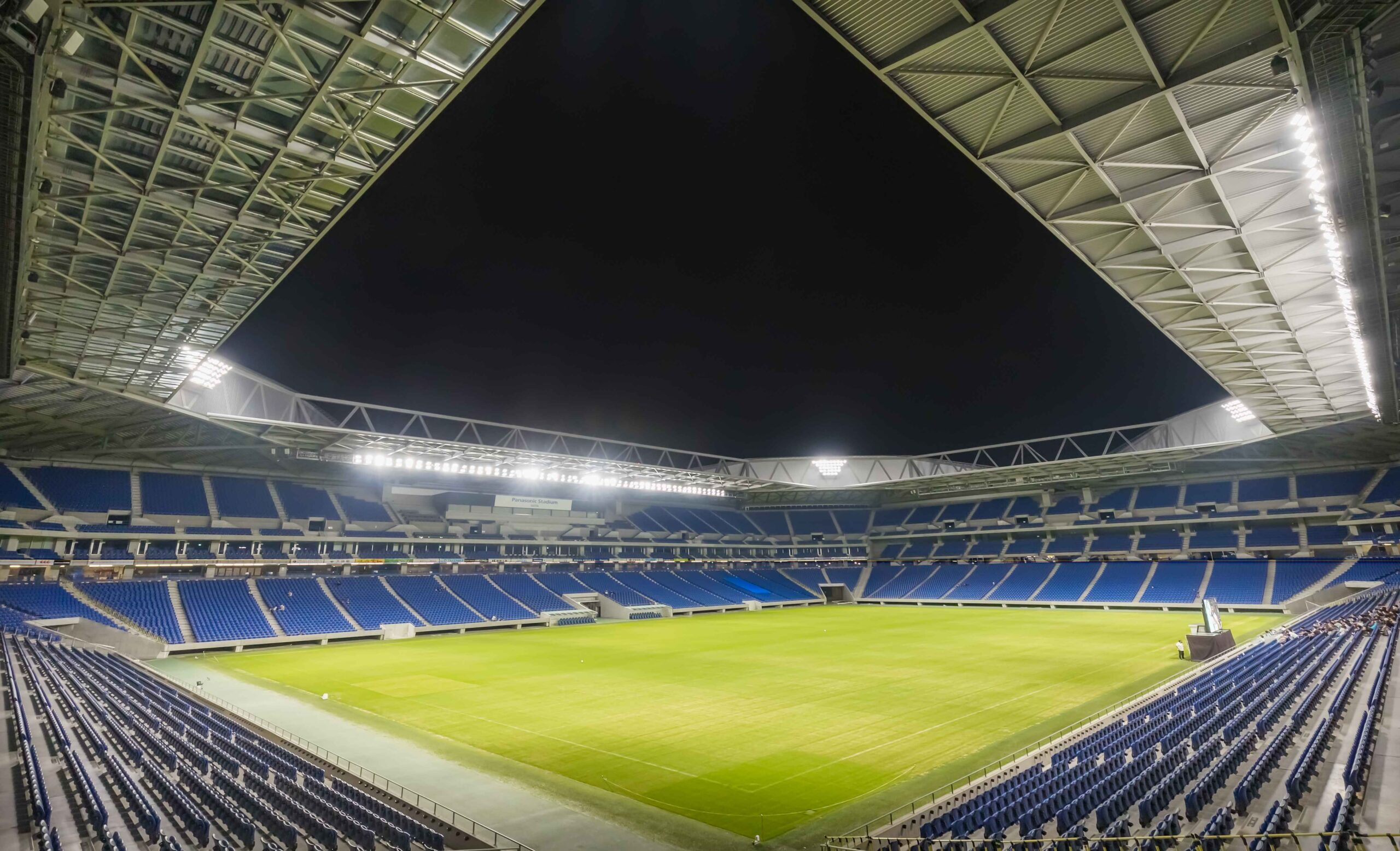 and football fever, the stadium stood and developed in tandem with the city. It was part of the urban mythology that formed the foundation of modern culture.
The matches here were, of course, weekend entertainment. But their scale was impressive. They were whole events, with a trip to the pub before the game, lively discussions in the streets, and songs that carried on until late at night. Even on weekdays, Goodison Park had a life of its own. Children climbed on the railings, trying to peek over the fence, while vendors laid out their merchandise, and old-timers reminisced about great goals and precise passes.
Objectively speaking, the stadium was not impressive in terms of its grandeur or scale. It was practical, noisy, a little angular, and restrained in its architecture, but it was authentic. It perfectly captured the spirit of Sunderland’s football team. Arenas like this are no longer built. That’s why every visit here feels like a return to real football.
Goodison Park in the 1960s
The 1960s were a very successful decade for the home club. It was also the heyday of the stadium itself as a symbol of English football.
- In 1962, it hosted a busy schedule of First Division matches. The stands were packed, and the atmosphere was electric.
- In 1963, the home team won the championship, and Goodison Park became the stronghold of the champion team.
- In 1966, the stadium hosted five World Cup matches, including the quarter-final between North Korea and Portugal. This match is still remembered as one of the most dramatic in the tournament’s history.
During these years, technical upgrades were actively underway. For example, innovative field heating was added, drainage was improved, and wooden structures were replaced.
Victorian houses were demolished next to the stands to expand access from Stanley Park. The stadium was fighting for its place in the sun.
Against the backdrop of its anaemic rival stadiums, Goodison Park looked like a fortress: tall, compact, and rumbling with every home goal. Even King George VI came here to watch a game. This was a precedent that was discussed at length in the sports press for a long time.
Football and Concrete
It is impossible not to mention the architectural and technical innovations that made Goodison Park a benchmark: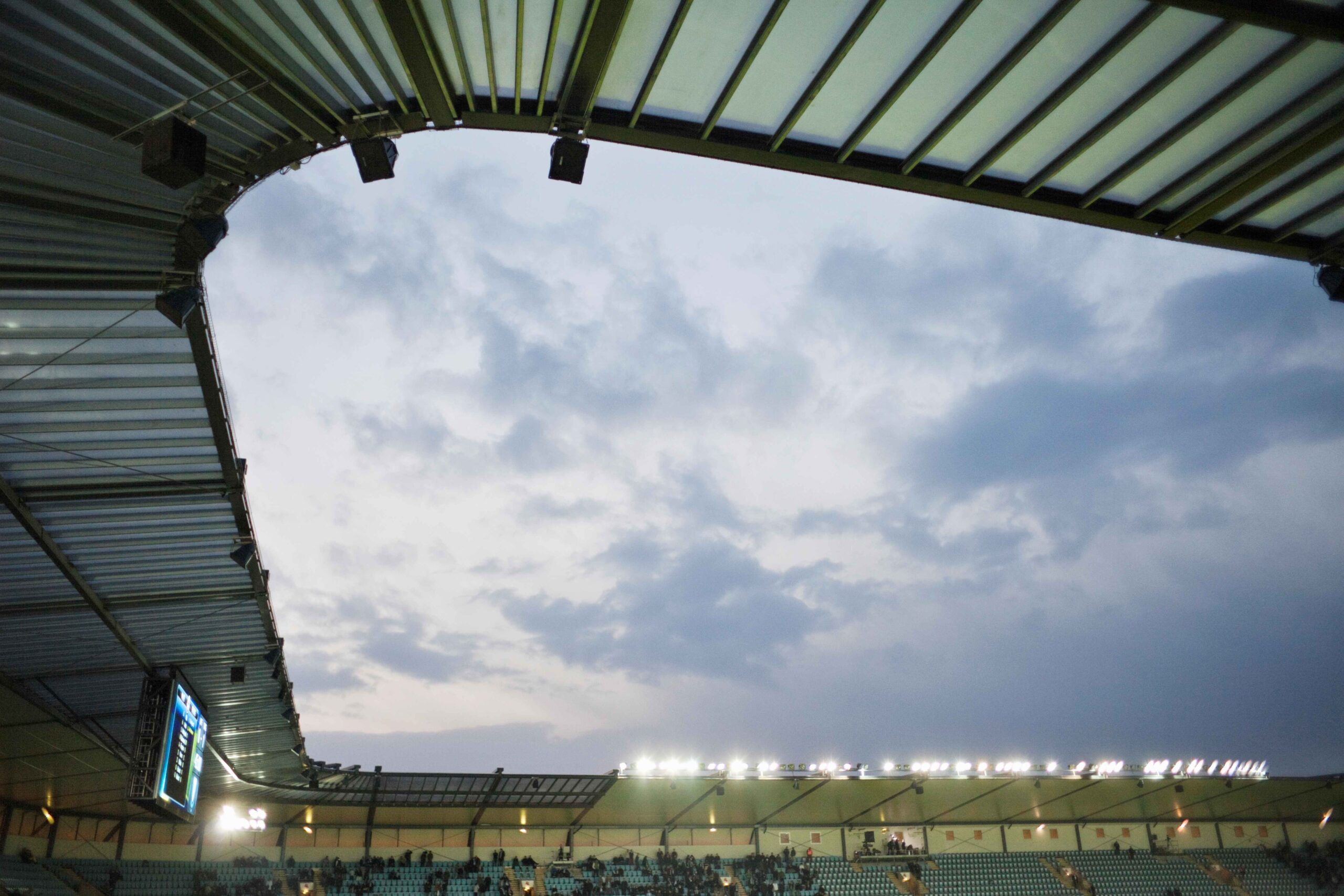
- The introduction of a pitch heating system (a first in English football).
- A developed drainage system was installed following the 1958 “flooded” experiment.
- The construction of new two-story stands, especially on the Gwladys Street and Bullens Road sides, was designed by the legendary Archibald Leitch.
- The stadium was refurbished to meet World Cup requirements, including the installation of safe zones, new exits, and increased distances to the stands.
Goodison Park was a venue for football matches, and between them, it became an experimental testing ground for architects and engineers. Under the leadership of Sir John Moores, a businessman whose name became synonymous with ambition at the time, the stadium was transformed year after year. No wonder the club was called the “millionaires from the Mersey” in those days.
Conclusion
Today, Goodison Park is still a living organism. It stands buzz, its bricks remember, and its turf remains exemplary. Even though the club is already building a new home by the docks, the old arena has not yet had its final say. Stadiums change, but magic and culture do not move. Goodison Park is alive and thriving.